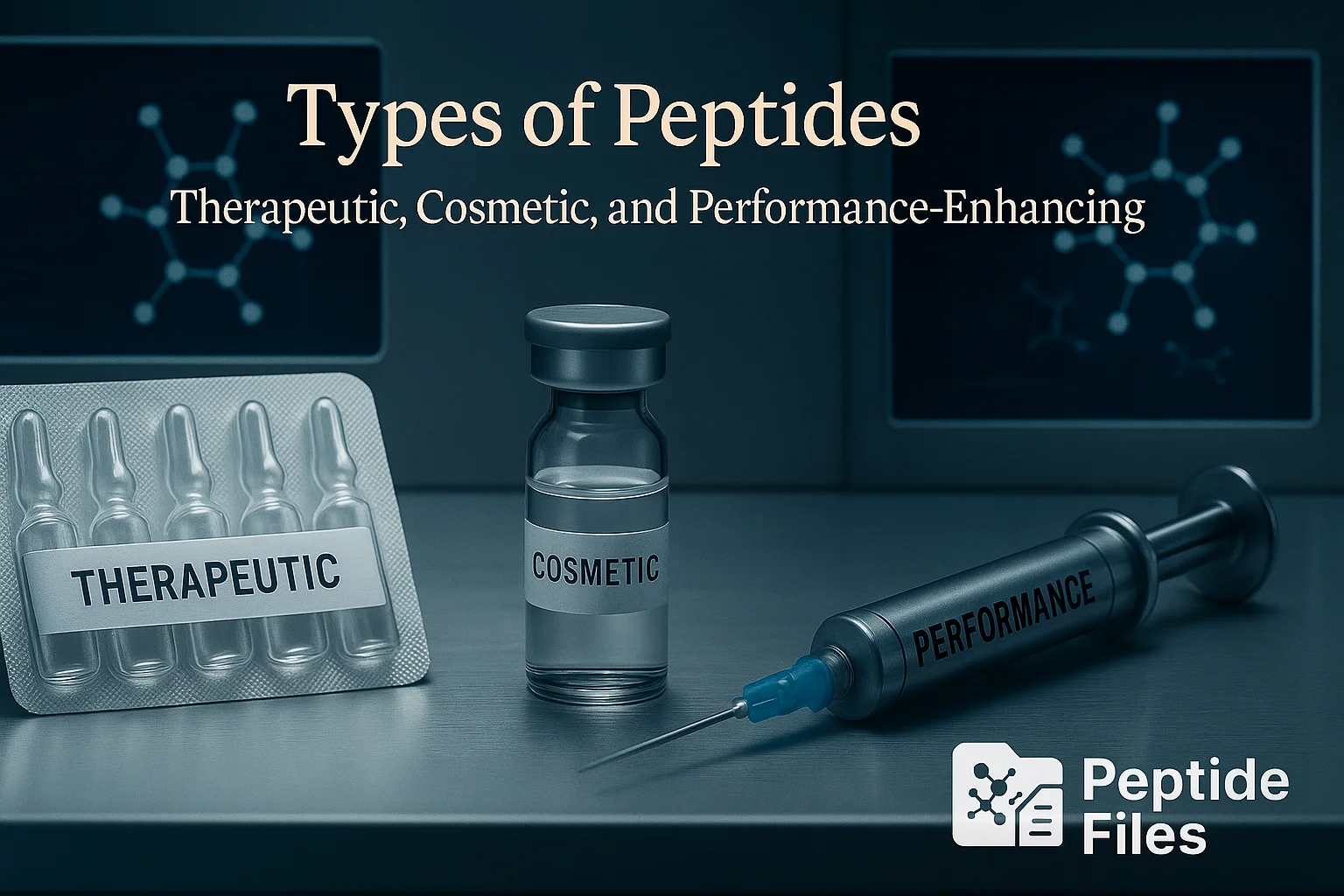
Over the past few years, the field of regeneration medicine has experienced a remarkable transformation, with protein fragments emerging as powerful tools in the quest for enhanced healing and tissue regeneration. These short chains of amino acids are not just components of proteins; they play critical roles in signaling pathways that facilitate the body’s automatic healing processes. From cosmetic skin repair to articular healing, the uses of peptides seem boundless, piquing the interest of professionals and consumers alike.
As we delve into the research behind peptides and their functions, it becomes evident that their significance extends far outside the realm of beauty treatments. Peptides are being utilized to tackle major wounds, chronic wounds, and even complex conditions such as spinal cord damage. Understanding how these remarkable molecules work can unlock new opportunities for healing and regeneration, making them a focal point for clinicians and researchers aiming to innovate wound care and tissue healing methods. Join us as we explore the diverse world of peptides and their revolutionary impact on health and rehabilitation.
The Science Behind Peptides and Healing
Peptides are brief sequences of building blocks of proteins linked by covalent connections, and they play important roles in multiple biological processes. In the context of healing, peptides act as signaling molecules that influence cells and tissues, initiating a cascade of regenerative responses. Their ability to engage with specific receptors on cell surfaces permits them to orchestrate everything from controlling inflammatory responses to repairing tissues, highlighting their significance in healing wounds and regeneration.
When an accident occurs, the body naturally releases peptides to promote healing. These biological molecules help to recruit stem cells to the location of the wound, encourage collagen production, and modulate the inflammatory response. This process not only speeds up healing but also improves the quality of the repaired tissue. Understanding how these peptide chains work at a chemical level provides understanding into their possible therapeutic applications in healing therapies, particularly in managing chronic wounds and supporting joint and nerve health.
Advancements in peptide research have revealed the varied functionalities of multiple peptide types, including therapeutic peptides that possess particular actions tailored to healing. For instance, certain peptides can boost the formation of new blood vessels, while others can promote skin elasticity by supporting collagen synthesis. With ongoing studies and clinical trials exploring their applications, peptides are developing as a revolutionary tool in tissue repair and regeneration, offering great potential for effective treatments across a variety of health challenges.
Revolutionary Implementations of Peptide Therapy
Peptide treatment has emerged as a groundbreaking approach in many areas of medical science, particularly in tissue healing and restoration. By replicating biological processes, peptides can encourage cell restoration techniques, improve the healing of wounds, and improve skin elasticity. Their unique ability to focus on specific pathways makes them essential for managing chronic wounds, where conventional approaches often are insufficient. Treatments utilizing peptides can enhance healing by encouraging the growth of new capillaries, the laying down of collagen, and minimizing inflammation, thus revolutionizing how medical professionals deal with tissue damage.
Additionally, another promising area of peptide therapy is in joint wellness and restoring mobility. Peptides have demonstrated potential in repairing cartilaginous tissue and other connective tissues affected by injury or degenerative conditions. By enhancing the production of proteoglycans and glycosaminoglycans, which are necessary for preserving normal cartilage, this form of treatment can provide a significant improvement in joint performance. https://purepeptide.bg/ assists competitive individuals seeking recovery from musculoskeletal trauma but also provides a solution to people dealing with conditions such as joint deterioration.
Moreover, peptides are being explored for their roles in the recovery of nerve function and spinal cord repair. With the ability to stimulate the factors that promote nerve growth and support the survival of nerve cells, specific peptides can aid recovery from damaged nerves. This potential shows the adaptability of peptide therapy beyond conventional wound healing, presenting novel pathways for addressing injuries to the spinal cord. As investigations continue, the integration of these treatments into overall healing plans could change patient outcomes and encourage a more comprehensive knowledge of medicine focused on regeneration.
Future Prospects and Research in Peptide Solutions
A prospects of peptide therapies in healthcare and recovery looks promising, driven by advances in biotechnology and a growing understanding of the role of peptides at the cellular level. Emerging research is examining novel peptide preparations tailored for particular injuries and conditions, delivering focused approaches that conventional therapies often lack. These innovations could transform wound care, making it more efficient and effective while shortening recovery time for clients.
In addition to wound healing, studies are more and more focusing on the use of peptides for tissue regeneration. Areas such as cartilage regeneration, nerve repair, and skin restoration are being actively researched to unlock the full power of peptides in rehabilitating and rejuvenating damaged tissues. The incorporation of peptide therapy into regular therapeutic practices suggests a new direction toward personalized medicine, where patients receive individualized healing solutions that improve recovery success.
Furthermore, as the knowledge of the gut-skin axis and other systemic interactions deepens, peptides may play a key role in holistic approaches to health. Advances in peptide administration techniques and preparations could lead to new treatments for chronic wounds and age-related issues. Continued research and clinical trials will be essential to establish security, success, and larger applications, paving the way for peptides as a key element in cutting-edge regenerative treatments and enhancing overall tissue durability.